
Peptide Lab HQ Research Guide
SLU-PP-332
A research-focused compound profile covering SLU-PP-332 identity, estrogen-related receptor research, exercise-mimetic pathway models, metabolic research context, preparation reference, and safety considerations.

Compound Data
Compound Profile
| Compound Name | SLU-PP-332 |
|---|---|
| Chemical Name | 4-hydroxy-N-[(Z)-naphthalen-2-ylmethylideneamino]benzamide |
| Compound Type | Synthetic small-molecule estrogen-related receptor agonist |
| CAS Number | 303760-60-3 |
| PubChem CID | 5338394 |
| Molecular Formula | C₁₈H₁₄N₂O₂ |
| Molecular Weight | Approximately 290.3 g/mol |
| Research Category | ERRα, ERRβ, ERRγ, mitochondrial respiration, exercise-mimetic, metabolic syndrome, energy expenditure, and skeletal muscle research |
| Receptor Activity | Pan estrogen-related receptor agonist with reported EC₅₀ values of 98 nM, 230 nM, and 430 nM for ERRα, ERRβ, and ERRγ respectively. |
| Appearance | Solid research compound; verify physical appearance against supplier COA. |
| Use | For laboratory research use only. |
Research Applications
Key Research Applications
SLU-PP-332 is commonly discussed in controlled research models involving estrogen-related receptor activation, mitochondrial respiration, exercise-mimetic gene expression, skeletal muscle oxidative capacity, fatty-acid oxidation, energy expenditure, and metabolic syndrome research.
ERR Pathway Research
SLU-PP-332 is studied as a pan estrogen-related receptor agonist involving ERRα, ERRβ, and ERRγ pathway activity.
Exercise-Mimetic Models
Used in research involving aerobic exercise-like transcriptional programs, skeletal muscle adaptation, endurance markers, and oxidative fiber response.
Mitochondrial Research
Relevant to models evaluating mitochondrial respiration, mitochondrial DNA markers, cytochrome C, oxidative metabolism, and cellular energy output.
Metabolic Syndrome Models
SLU-PP-332 has been evaluated in high-fat-diet and metabolic syndrome mouse models involving body weight, fat mass, insulin sensitivity, and glucose tolerance.
Fatty-Acid Oxidation Research
Commonly discussed in research involving fatty-acid oxidation, energy expenditure, adipocyte size, lipid markers, and metabolic flexibility.
Aging & Organ Function Research
SLU-PP-332 has also been discussed in preclinical research involving age-related kidney dysfunction, mitochondrial markers, inflammation, and tissue response.
Research Scope
These applications are provided for educational and research-reference purposes only. Research outcomes may vary based on compound purity, solvent system, route, concentration, model type, metabolic status, and laboratory conditions.
Reference Only
Reconstitution / Research Dosing Reference
Quick Reference Summary
| Reference Vial | 5 mg SLU-PP-332 |
|---|---|
| Primary Solvent System | 0.3 mL DMSO + 2.7 mL bacteriostatic water |
| Total Stock Volume | 3.0 mL DMSO-assisted stock solution |
| Primary Stock Concentration | 1.67 mg/mL SLU-PP-332 |
| DMSO Stock Concentration | 10% v/v DMSO in the prepared stock solution |
| Final Application DMSO Limit | For model/application preparation, further dilute the stock so the final DMSO concentration does not exceed 1% v/v, unless a validated protocol specifies otherwise. |
| Minimum Dilution Reference | A 10% DMSO stock requires at least a 10-fold total dilution to reach 1% DMSO or lower in the final application mixture. |
| Measurement Reference | On a U-100 syringe, 1 unit = 0.01 mL. |
| Amount per U-100 Unit | At 1.67 mg/mL stock concentration, 1 unit equals approximately 0.0167 mg / 16.67 mcg SLU-PP-332 before any additional final dilution. |
| 10-Unit Reference | 10 units / 0.10 mL equals approximately 0.167 mg / 166.7 mcg SLU-PP-332. |
| 200 mcg Reference | 200 mcg equals approximately 12 units / 0.12 mL at this concentration. |
| Storage Reference | Store the prepared stock according to supplier documentation, protected from light. Refrigerated storage may be used when compatible with the compound, solvent system, and protocol requirements. |
Reconstitution Steps
- Confirm that the research protocol, supplier COA, batch record, or formula record supports DMSO-based stock preparation for SLU-PP-332.
- Draw 0.3 mL DMSO, ideally 99% to 99.9% purity, using a sterile syringe or measured sterile preparation method.
- Slowly add the 0.3 mL DMSO down the side of the SLU-PP-332 vial wall.
- Gently roll or swirl the vial until the SLU-PP-332 material is fully wetted and dissolved in the DMSO phase. Do not shake!
- Prepare a sterile empty vial for the dilution step.
- Add 2.7 mL bacteriostatic water to the sterile empty vial.
- Using a sterile syringe and needle, draw up the SLU-PP-332 / DMSO solution from the original vial.
- Slowly add the DMSO solution drop by drop into the bacteriostatic water vial. Do not add the BAC water into the DMSO solution.
- After every 2 drops, gently swirl the receiving vial until the mixture is uniform before adding the next 2 drops.
- Continue this slow drop-by-drop transfer until the full 0.3 mL DMSO solution has been added to the 2.7 mL bacteriostatic water.
- The resulting stock may appear clear, slightly hazy, or milky depending on concentration, solvent compatibility, supplier format, and how slowly the DMSO phase is diluted.
- The final prepared stock volume is 3.0 mL, containing 5 mg SLU-PP-332 at approximately 1.67 mg/mL with 10% v/v DMSO.
- Do not treat the 10% DMSO stock as a final ≤1% DMSO application mixture. Before any final model/application preparation, dilute the stock so the final DMSO concentration does not exceed 1% v/v, unless a validated model-specific protocol allows otherwise.
- Label with compound name, vial amount, DMSO volume, bacteriostatic water volume, total stock volume, stock concentration, DMSO percentage, preparation date, storage conditions, and final-dilution requirement.
- Store according to supplier documentation and protocol requirements, protected from direct light.
Published Research Context
| Reference Type | Reported Amount / Context | Research Notes |
|---|---|---|
| Compound Identity Reference | SLU-PP-332, synthetic ERRα/β/γ agonist | SLU-PP-332 is commonly discussed as a synthetic estrogen receptor-related receptor agonist with exercise-mimetic and metabolic research relevance. |
| Solvent Compatibility Context | DMSO stock preparation + bacteriostatic water dilution reference | This page uses a custom stock-preparation method where SLU-PP-332 is first dissolved in DMSO, then the DMSO solution is slowly transferred into bacteriostatic water drop by drop. |
| DMSO Addition Order | DMSO solution into BAC water, not BAC water into DMSO solution | The drop-by-drop dilution method is intended to reduce rapid precipitation risk by slowly diluting the DMSO phase into the larger bacteriostatic water volume while swirling frequently. |
| DMSO Final-Concentration Context | Final DMSO concentration should remain at or below 1% v/v unless validated otherwise | The 0.3 mL DMSO + 2.7 mL bacteriostatic water preparation creates a 10% DMSO stock. Additional dilution is required before any final model/application preparation where the DMSO limit is 1% v/v. |
| ERR Pathway Research | ERRα / ERRβ / ERRγ pathway context | SLU-PP-332 is discussed in relation to ERR nuclear receptor activation, with particular focus on ERRα-associated pathway activity in published research contexts. |
| Exercise-Mimetic Research | Model-dependent concentration and endpoint tracking | Research discussions commonly include exercise-mimetic signaling, aerobic-exercise gene programs, metabolic adaptation, skeletal-muscle markers, and mitochondrial-response endpoints. |
| Metabolic Research Context | Fatty-acid oxidation, energy expenditure, and metabolic-syndrome models | SLU-PP-332 has been discussed in relation to fatty-acid oxidation, energy expenditure, body-composition markers, insulin-sensitivity markers, and metabolic-syndrome research models. |
| Mitochondrial / Muscle Research | Skeletal-muscle function and mitochondrial-marker context | Common research discussions include oxidative muscle fibers, mitochondrial function, cellular respiration, endurance markers, and skeletal-muscle metabolic remodeling. |
| Cardiometabolic Research Context | Heart-failure and metabolic-gene expression context | Published research has discussed SLU-PP-332 and related pan-ERR agonists in cardiac function, fibrosis, fatty-acid metabolism, mitochondrial-function, and cardiometabolic-marker models. |
| Public Protocol-Style Reference | Microgram-to-milligram stock-reference examples | Public protocol-style references may describe SLU-PP-332 in microgram-to-milligram examples depending on the research model and preparation format. These are not clinical dosing standards. |
| Clinical / Research-Chemical Status | No universal research-chemical protocol established | Published study references, preclinical research references, public protocol-style references, or wellness protocols should not be treated as dosing instructions for research-chemical vial formats. |
Concentration Reference
| Vial Amount | DMSO | Bacteriostatic Water | Total Stock Volume | Stock Concentration | DMSO % in Stock |
|---|---|---|---|---|---|
| 5 mg | 0.3 mL | 2.7 mL | 3.0 mL | 1.67 mg/mL | 10% v/v |
Research Dosing Amount / Volume Reference
| Reference Amount | Volume at 1.67 mg/mL Stock | U-100 Unit Reference | Approx. References per 5 mg Vial |
|---|---|---|---|
| 25 mcg | 0.015 mL | 1.5 units | 200 |
| 50 mcg | 0.03 mL | 3 units | 100 |
| 0.1 mg / 100 mcg | 0.06 mL | 6 units | 50 |
| 0.167 mg / 166.7 mcg | 0.10 mL | 10 units | 30 |
| 0.2 mg / 200 mcg | 0.12 mL | 12 units | 25 |
| 0.25 mg / 250 mcg | 0.15 mL | 15 units | 20 |
| 0.5 mg / 500 mcg | 0.30 mL | 30 units | 10 |
| 1 mg / 1000 mcg | 0.60 mL | 60 units | 5 |
| 2 mg / 2000 mcg | 1.20 mL | 120 units | 2.5 |
| 5 mg / 5000 mcg | 3.00 mL | 300 units | 1 |
Research Frequency / Amount Reference
| Research Window | Frequency | Reference Amount | Units / Volume Reference |
|---|---|---|---|
| Lower Microgram Stock Reference | Calculation reference only | 25 mcg reference amount | 1.5 units / 0.015 mL stock |
| Standard Microgram Stock Reference | Calculation reference only | 50 mcg reference amount | 3 units / 0.03 mL stock |
| Low Milligram Stock Reference | Public protocol-style reference, not a clinical dosing standard | 0.1 mg reference amount | 6 units / 0.06 mL stock |
| 10-Unit Stock Reference | Calculation reference only | 166.7 mcg reference amount | 10 units / 0.10 mL stock |
| 200 mcg Stock Reference | Calculation reference only | 200 mcg reference amount | 12 units / 0.12 mL stock |
| Mid-Range Stock Reference | Public protocol-style reference, not a clinical dosing standard | 250 mcg reference amount | 15 units / 0.15 mL stock |
| Upper Stock Reference | Calculation reference only | 0.5 mg reference amount | 30 units / 0.30 mL stock |
| High Stock Reference | Calculation reference only | 1 mg reference amount | 60 units / 0.60 mL stock |
| 2 mg Stock Preparation Reference | Preparation-level calculation reference | 2 mg reference amount | 120 units / 1.20 mL stock |
| Full-Vial Stock Reference | Preparation-level calculation reference | 5 mg reference amount | 300 units / 3.00 mL stock |
DMSO Final-Dilution Reference
| Prepared Stock DMSO % | Target Final DMSO % | Minimum Total Dilution | Research Note |
|---|---|---|---|
| 10% v/v DMSO | 1% v/v DMSO or lower | At least 10-fold total dilution | Final model/application concentration depends on the protocol, target SLU-PP-332 concentration, compatible diluent/media, and validated solvent-control design. |
Common Research Windows
| Reference Window | Common Length | Research Notes |
|---|---|---|
| Cell-Culture / ERR Marker Window | 24–72 hours | May be used for ERR pathway activation, mitochondrial-response markers, oxidative-phosphorylation markers, fatty-acid oxidation markers, or cellular energy-marker documentation depending on the model. Final DMSO concentration should be controlled and matched across solvent-control conditions. |
| Acute Metabolic Observation Window | Single session to several days | Used for short-term pathway tracking, energy-expenditure marker comparison, fatty-acid oxidation marker observation, mitochondrial-marker observation, or early exercise-mimetic response documentation depending on the research design. |
| Short Research Window | 1–4 weeks | May be used for controlled observation involving metabolic-marker response, skeletal-muscle markers, mitochondrial-function markers, glucose-handling markers, or lipid-marker endpoints. |
| Standard Protocol-Style Window | 4–8 weeks | Commonly used in public protocol-style references for structured observation and comparison across baseline and follow-up periods. |
| Extended Observation Window | 8–12 weeks or longer | Used when longer documentation is needed for cardiometabolic markers, body-composition markers, mitochondrial-function trends, fatty-acid metabolism markers, or follow-up marker tracking. |
| Follow-Up / Washout | 2–8 weeks | Used to document post-study observations, marker return, delayed response patterns, solvent-control comparison, or follow-up data depending on the research model. |
Research Note: These tables are provided for educational, research-planning, concentration, frequency-reference, solvent-reference, and volume-reference purposes only. SLU-PP-332 is commonly discussed in synthetic ERR agonist, ERRα / ERRβ / ERRγ, exercise-mimetic, fatty-acid oxidation, energy-expenditure, mitochondrial-function, skeletal-muscle, metabolic-syndrome, insulin-sensitivity marker, cardiometabolic-marker, and cellular-respiration research contexts. This custom reference uses 0.3 mL DMSO followed by slow drop-by-drop transfer into 2.7 mL bacteriostatic water for a total prepared stock volume of 3.0 mL, creating a stock concentration of approximately 1.67 mg/mL SLU-PP-332 and 10% v/v DMSO. Because this stock exceeds a 1% DMSO final-application threshold, it should be further diluted before any cell-based or model-based application where DMSO-related cytotoxicity, solvent stress, or vehicle effects may affect results. Final DMSO concentration, solvent controls, material stability, compatibility, and storage conditions should be verified against the supplier COA, batch record, formula record, and validated research protocol when available. Published study references, preclinical research references, public protocol-style references, or wellness protocols are not universal research-chemical dosing standards and should not be treated as dosing instructions for research-chemical vial formats. This information is not medical advice, dosing instruction, injectable-use guidance, or a recommendation for human or animal use.
Research Notes
Research Findings & Safety Notes
Research Findings
SLU-PP-332 is commonly discussed in research involving pan-ERR activation, mitochondrial respiration, aerobic exercise-like gene expression, oxidative skeletal muscle fiber response, energy expenditure, fatty-acid oxidation, glucose tolerance, and metabolic syndrome models.
Study Limitations
SLU-PP-332 research is primarily preclinical and tool-compound based. Findings should be interpreted according to model type, route, solvent system, exposure level, metabolic status, and study duration.
Safety Considerations
Research discussion should account for small-molecule solvent compatibility, purity, storage requirements, SDS review, compound stability, hazardous-material handling, route-specific uncertainty, and qualified laboratory procedures.
Use Restriction
Not for human or animal consumption. Not intended to diagnose, treat, cure, or prevent any disease when discussed as a research-use material.
Related Supplies
Research Supplies
For research supplies, visit our affiliate partner and use code PLHQ10 to save 10% on your order.
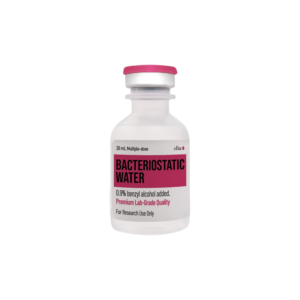
Bacteriostatic Water
Commonly referenced in laboratory preparation workflows.
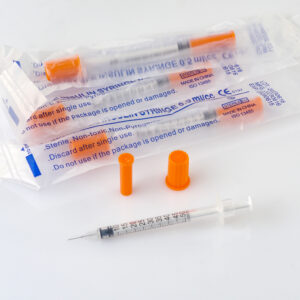
Research Syringes
Supply category for controlled laboratory research preparation.
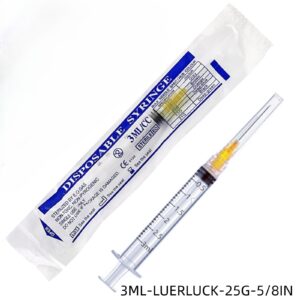
Prep Supplies
Supporting supplies for clean handling, preparation, and documentation.
Lab Handling
Handling & Storage
Storage
Store materials according to product-specific requirements. Protect from excessive heat, moisture, and direct light.
After Reconstitution
Keep refrigerated after reconstitution unless otherwise specified by the product documentation.
Handling
Use appropriate laboratory PPE, clean handling practices, and qualified research procedures.
Documentation
Maintain batch details, COA records, preparation notes, and internal research documentation.